
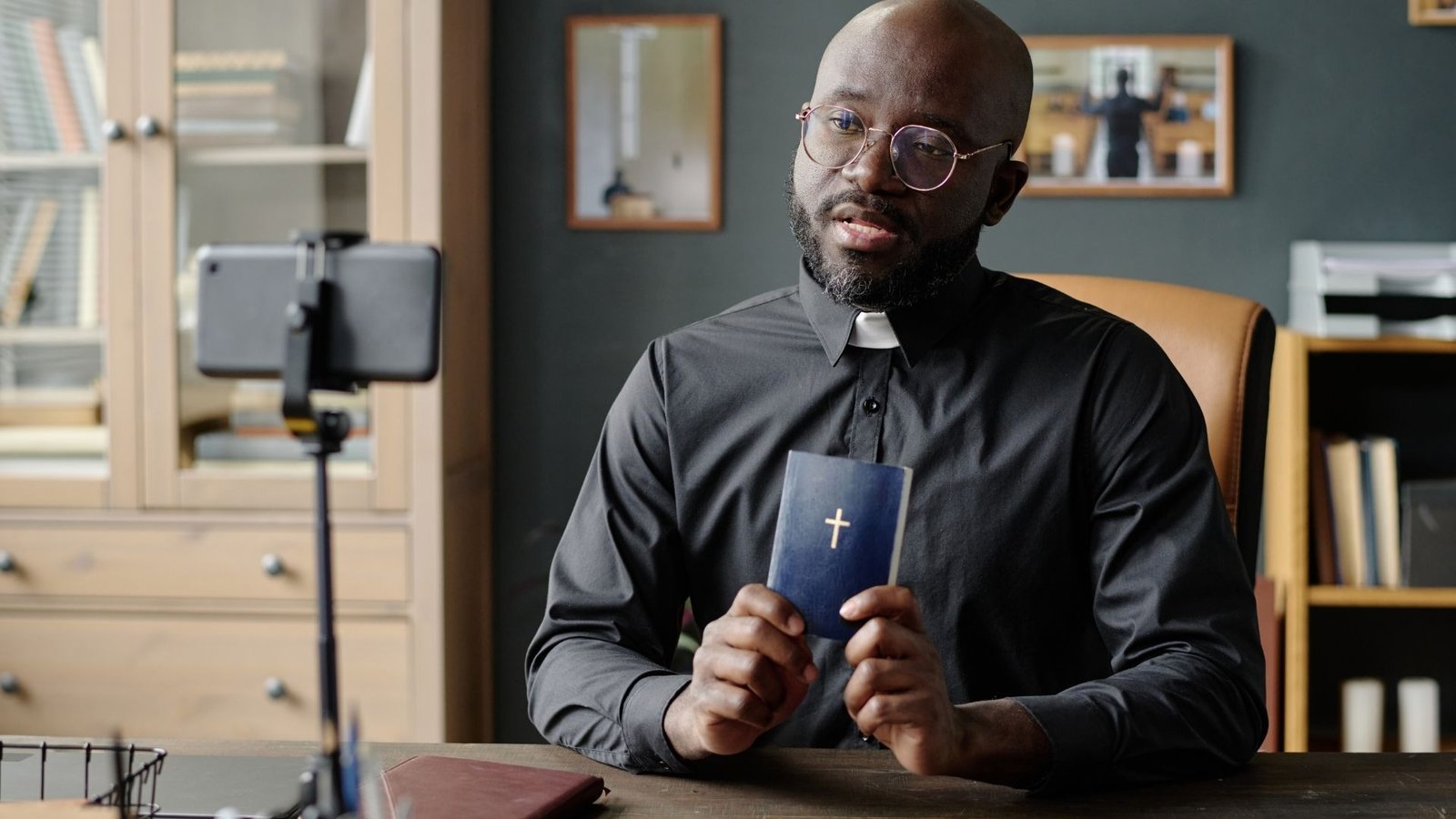
E-Evangelism: The New Ministry of Reaching People for Christ
The world has changed, and the way people communicate has changed with it. People now spend hours every day on smartphones, social media, websites, messaging platforms, YouTube and digital communities. Conversations that once happened primarily in churches, homes and public spaces now happen online.
This presents the Church with a powerful opportunity: evangelism can go where people are.
E-Evangelism—electronic evangelism—is the use of digital technology, online platforms and modern communication tools to share the Gospel of Jesus Christ, disciple believers and connect people with the Christian faith.
It is not a replacement for traditional evangelism or the local church. Rather, it is a new mission field and an additional ministry channel for fulfilling the Great Commission.
The Great Commission Has Entered the Digital Age
Jesus gave His followers a clear instruction:
“Go ye into all the world, and preach the gospel to every creature.” — Mark 16:15
When Jesus spoke these words, there was no internet, social media, livestreaming or smartphone. Yet the command was not limited to a particular communication method.
The mission remains the same: reach people with the Gospel.
What has changed is the environment in which people live.
Today, the “world” includes Facebook feeds, YouTube channels, WhatsApp groups, TikTok videos, podcasts, websites, online communities and digital conversations.
The question for the modern Church is therefore not whether technology can be used for evangelism. The question is whether the Church will intentionally use the technology available to reach the generation that is already online.
The Internet Is a Mission Field
Mission fields are not always geographical locations.
A mission field is wherever people who need to hear the Gospel can be found.
Millions of people communicate, learn, search for answers, express their struggles and build relationships online every day. Some may never walk into a church building, but they may watch a Christian video at midnight. They may read a devotional during their lunch break. They may search Google for answers about God. They may send a private message asking someone to pray for them.
That person is not necessarily far away.
They may be one post, one video or one conversation away.
E-Evangelism recognises the internet as a mission field that requires intentional Christian presence.
From Church Buildings to Digital Platforms
For generations, the primary model of evangelism involved inviting someone to a church service, preaching on the streets, distributing literature or personally sharing the Gospel.
These methods remain valuable.
But technology has expanded the possibilities.
A church can now preach to people in multiple countries without buying another building. A Christian can share a testimony with thousands of people through a single video. A Bible teacher can conduct discipleship classes online. A pastor can respond to questions through livestreams and digital communities.
One message can potentially travel farther than the person who delivered it.
This creates an extraordinary opportunity for the Church.
E-Evangelism Is More Than Posting Bible Verses
There is a danger of reducing digital ministry to simply posting Scripture graphics.
E-Evangelism should be much broader.
It can include:
- Gospel videos and short-form content
- Christian podcasts
- Online Bible studies
- Digital devotionals
- Evangelistic websites
- Social media outreach
- Christian blogs and articles
- Livestreamed services
- Online prayer meetings
- Digital discipleship programmes
- WhatsApp evangelism
- Testimony and faith stories
- Christian educational content
- Online counselling and pastoral connection
- Gospel-focused advertising campaigns
The goal is not simply to generate views.
The goal is to reach people, communicate Christ and lead people toward genuine faith and discipleship.
The Power of a Digital Conversation
One of the most powerful aspects of online evangelism is accessibility.
A person may be unwilling to enter a church but comfortable sending a private message.
Someone struggling with addiction, loneliness, fear, grief or questions about faith may anonymously search for answers online before speaking to another person.
This means Christian digital ministers need more than communication skills. They need compassion, biblical knowledge, wisdom and spiritual maturity.
Behind every screen is a real person.
Technology Should Serve the Gospel
Technology itself is not the ministry.
It is the tool.
A smartphone does not preach the Gospel. A social media platform does not disciple someone. Artificial intelligence does not replace the Holy Spirit, biblical teaching or genuine Christian relationships.
Technology simply creates new opportunities for ministry.
The Church must therefore avoid becoming obsessed with numbers—followers, likes, views and subscribers—while forgetting the people behind those numbers.
One transformed life is more valuable than a million views without spiritual impact.
The Rise of the Digital Evangelist
The digital age is creating opportunities for a new kind of ministry worker: the digital evangelist.
This does not necessarily mean someone standing behind a pulpit every Sunday.
It may be a young Christian creating Gospel videos on TikTok. It may be a graphic designer creating evangelistic campaigns. It may be a Christian developer building Bible applications. It may be a writer answering people’s questions through SEO-focused Christian content.
It may even be an ordinary believer using WhatsApp to intentionally share the Gospel with friends and communities.
The tools are different, but the calling is familiar:
Make Christ known.
E-Evangelism Must Lead to Discipleship
Evangelism should not end with a person clicking “Like.”
Jesus did not command His disciples merely to make converts. He commanded them to “make disciples of all nations” (Matthew 28:19).
This means digital evangelism should have a pathway beyond initial contact.
A person who encounters the Gospel online should have opportunities to:
Discover Christ → Believe → Connect → Learn → Grow → Serve → Make Disciples
Churches and ministries should therefore build digital systems that help people move from an online encounter to meaningful Christian community and discipleship.
The Church Must Go Where the People Are
The Apostle Paul understood the importance of communicating within different cultural contexts. He became “all things to all men” so that he might win some (1 Corinthians 9:22).
The principle remains relevant.
The Gospel does not change.
The method can.
If people are on social media, the Church must learn how to communicate there. If people are watching videos, the Church should create excellent Christian video content. If people are searching Google for answers, the Church should provide biblical answers that can be found.
Excellence in digital communication is not necessarily worldly compromise.
When used with wisdom, it can be an expression of stewardship.
A New Opportunity for the Church
E-Evangelism is not the future.
It is already here.
The question is whether the Church will treat the digital world as entertainment controlled by others or recognise it as a mission field entrusted to believers.
The next generation may encounter Christianity online before they ever encounter it inside a church building.
They may hear a preacher through a smartphone before they hear one from a pulpit.
They may read Scripture on a website before they ever hold a physical Bible.
They may encounter Jesus through a testimony shared by someone they have never met.
Therefore, the Church must be present.
Not merely present to gain followers.
Not merely present to promote programmes.
Not merely present to build personal brands.
Present to preach Christ. Present to disciple people. Present to serve humanity. Present to make Jesus known.
E-Evangelism is not replacing the ministry of the Church.
It is expanding its reach.
The mission remains unchanged.
The field has simply become digital.